What Aging Parents Taught Me in Real Estate.

Davin Hawes • March 7, 2026

Something I’ve been noticing over the last few years working around Placer County is how many families are quietly entering the same season of life at the exact same time.


It doesn’t look like anything crazy.


From the outside, everything looks pretty normal.


Most of the people I meet are somewhere between 35 and 55. They’ve owned their homes for a while. Equity’s been built. Kids are older or leaving the house. Careers are established.


On paper, everything looks great.


But at the same time, their parents are starting to age.


I don’t think most people notice it at first. Life feels stable. Parents are still living independently in the same homes they’ve had for years.

But once you start paying attention to the pattern, you start seeing it everywhere.


Placer County has grown... Roseville, Rocklin, Folsom, El Dorado Hills, Lincoln are all expanding. Healthcare systems are evolving. Land use is changing.


This expansion has created new types of housing for this demographic.


-Smaller homes closer to services
-Multigenerational layouts
-Properties where families can live nearby while still keeping their independence

The infrastructure is being built, but the generation that will rely on it most is only now turning eighty.


Many of them are sitting on decades of equity quietly built inside single family homes and other long held investments.

We are witnessing the largest transfer of wealth in modern history.

The silver tsunami will arrive all at once, and it’s still unclear whether the systems around us are ready to carry that demand.


When you zoom out, you start to see the intersection of
growth, housing, and timing.

One thing I’ve learned watching families move through this stage of life is that change rarely happens gradually.

A fall.
A hospitalization.
A diagnosis.

The conversation that was once hypothetical suddenly becomes very real and very urgent.

The older my parents get, and the longer I work in real estate, the more I find myself returning to one simple question:

What would make this transition easier later?


I’d first have to stop avoiding it entirely.

I started by asking questions like:


If something happened to one of you, would you want to stay in this house? Is the home actually designed for aging? Is the property in a trust, and does everyone understand how it works? If care ever became expensive, would the house be the asset that funds it?


The best outcomes usually happen when these conversations aren’t happening independently...


But when the Realtor, Financial Advisor, CPA, and Attorney are actually working together.


Appreciation doesn’t pay monthly expenses.

Cash flow and flexibility do.

We can take those 30 years of growth and '
reposition' it. .

Depending on the situation, families sometimes explore things like downsizing strategies that preserve capital, 1031 exchanges, or passive income structures like DST investments that would
create monthly income for their care later.

During this process, a lot of families are discovering how much Prop 19 changed the way real estate passes between generations.

What surprises many families is that those tax bases from the 80s and 90s don’t automatically transfer anymore. Under Prop 19, the property must become the child’s primary residence, and only a limited amount of value can be protected before reassessment begins.

None of these paths is universal.

But they all come back to the same question:

Does this reduce pressure later?

Not just financially.

Emotionally too.

A lot of families in Placer County love the foothills, such as Auburn and the surrounding rural areas.

The Land. Quiet. Privacy.


But those properties can also mean longer emergency response times, insurance volatility, and distance from medical systems.

A house that once felt like home can suddenly become harder to manage. Stairs or deferred maintenance can feel heavy when mobility, health, and energy are no longer at your disposal. 


Those trade-offs matter very differently in your seventies than they do in your forties.


More often than not, the hardest part isn’t the logistics.


It’s the timeline.


Some people will notice they’re slowly shifting from being the child to becoming the caregiver or financial manager. Deep down there’s a quiet acknowledgment that life is moving forward and there's nothing you can do about it. 


Instead of focusing on the things we can’t change, it can help to think of them as orientation conversations.

And they are much easier to have while everyone is still healthy.


Because when parents genuinely need help, families are often navigating something much deeper at the same time.

Grief.


And that is not the moment most people want to be figuring out property logistics.


When property decisions, structure, and proximity have already been thought through, families get to focus on something more important.


Time is the only thing you can’t buy back.

I’m figuring all this out while having these same conversations with my parents. 


I’m not entirely prepared to step into that role. 


But I’ve realized something recently.


You don’t have to fear or dread the stage where you’re still figuring things out.


A lot of the work is simply paying attention.


Watching patterns.


Asking better questions.


Over time, I’ve built relationships with other professionals who help families structure these decisions well.


If your family is beginning to think about these questions, I’m always happy to share what I’ve seen work for the families navigating this stage of life.

Sometimes the most valuable first step is simply understanding what options exist before you actually need them.


The goal isn’t just protecting capital.


It’s reducing the pressure families face later so decisions can be made thoughtfully instead of urgently.


— Davin Hawes
January 26, 2026
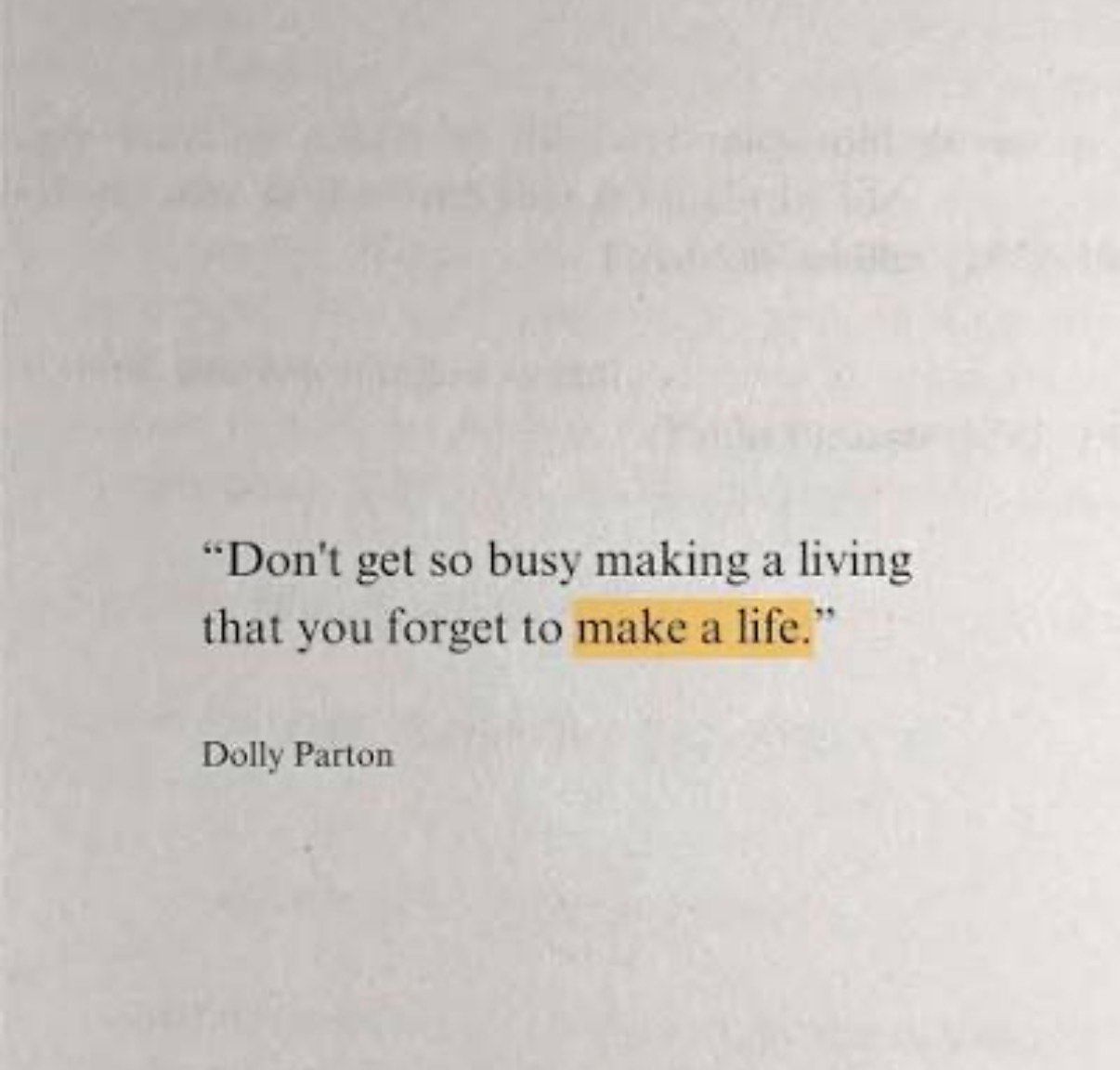
Most people spend their whole life waiting for a “break” that’s never coming. I was the same way. A few years ago, I was taking 18 units and paying my way through college. Serving tables while doing my homework in the back room in between reservations will be a memory I'll never forget. I thought that was the American Dream. Or that's the lie I was told. I thought if I outworked everyone and went to college to get a good job, the life I yearned for would eventually find me. Then 2020 hit. The world went quiet. And for the first time, I actually had space to look at the life I was building. I realized I wasn’t building a future… I was just running in the rat race that everyone glorified. I wanted out of the matrix. I wanted a rich, slow, lived-in life. A life so abundant that I could give rest to my loved ones. I didn't want more money, I wanted more peace. I wanted to learn how money actually moves, so I could buy back my time. I knew my mindset shifted, and there was no going back. I decided I was going to get my real estate license. I was done being a spectator. I started learning. I started crafting my skillset and funding my business with the tips I was making from bartending. When you’re starting from zero, the only thing that saves you is: Skill + Repetition + Strategy. You should have seen my face after seeing my first check… I became obsessed. I started learning the logistics and trends of the market. I started learning the habits and mindsets of people who were living life similar to what I wanted. I stayed consistent. But consistency without systems won't get you far. It’s January. The New Year noise is at an all-time high. Everyone swears they’re going to lock in. But most people will play it safe. And that's just the truth. They’ll keep their money in a bank account. They’ll stay comfortable. They’ll wait for a perfect market that doesn’t exist. But the market doesn’t reward comfort. It rewards movement. Let’s Talk About “Affordability” Since That’s the Word of the Year The word “affordability” keeps getting thrown around like it's some giant wall no one can climb. Currently (Jan. 23rd, 2026) Wages are up. Home prices are leveled. Rates are down. Buyers have negotiation room and time. Sellers stand out with a good strategy and low inventory. Mortgage rates are at 6.09% — about a full point lower than this time last year. If you don't know what that means, it’s ok.. Basically, you are able to save 10’s of THOUSANDS of dollars in the life span of a loan, and monthly mortgages are more affordable. ( Back to normal 2019 levels) If this pandemic taught me anything. It is how fast inflation can eat your money. This past December 2025, CPI (inflation) was at 2.7%. In 2022, it was above 6%. So if your cash is sitting still, it’s melting. Maybe at a slower pace, but it’s still melting… You aren’t “saving” as much as you thought. You’re losing buying power. That’s the gap where the slow wealth gets built, and if all three of those factors are stabilizing or improving, affordability might not be as far off as it feels. People aren’t buying because it’s impossible, but because it’s unfamiliar. And unfamiliarity makes people freeze. But if we’re being honest, this market is more affordable than it was last spring. And most people are missing it. But here’s the part most people aren’t paying attention to yet: A lot of homeowners are still sitting on 3% and 4% interest rates from the last few years. And they don’t want to sell… because they don’t want to trade that for a 6%. That’s one of the biggest reasons inventory has been tight. And it’s also why there’s been more serious conversation around financing options that can unlock movement again. Assumable loans are already real. That’s when a buyer can take over a seller’s existing mortgage rate instead of starting from scratch with today’s rate. FHA and VA loans are the most common examples. And then there’s the bigger concept people keep whispering about: Portable mortgages. The idea that a homeowner could bring their low rate with them to the next home instead of losing it. If that ever becomes widely available, it changes everything. Because the second people stop feeling trapped by their current rate… inventory moves. And when inventory moves… the market speeds up. I’m not saying you need to buy a house tomorrow. I’m saying your money needs to be doing something . Real estate is a lane. Stocks is a lane. Gold is a lane. I’m telling you this because I want you to have a life that’s actually lived. There 100% is a strategy to this madness, and it works. This market feels steady and quiet right now because it’s balanced. That quietness is an opportunity. The conditions (improving rates, stable prices, rising income, inflation closer to target, and financing innovation) are all indicators of an actionable market, not a stalled one. Real estate still remains one of the few asset classes that lets you: Use leverage, build equity, hedge inflation, and benefit from long-term appreciation simultaneously. If you want hyper-local data for Placer, Sacramento, or El Dorado counties (single‑family homes), I’ve got trend reports with the real numbers behind inventory shifts, concessions, list-to-close pacing, affordability, inflation, and even future model changes... Want a city/town report built to your goals? I’ll run it. Want a CMA on your current equity position? I’ll run it. Want a personalized strategy for buying, selling, or investing? I’ll connect you with my CPA, CFO, 1031 exchange strategist, lender partners, and tax pros… sharp people who help structure real moves. If you want to be notified every time I drop my monthly market recap, the actual movement I’m seeing day in, day out, and the real forecast, fill out the connect card below. You’ll get it directly to your inbox. As a legend once said “Don’t get so busy making a living that you forget to make a life.” -Dolly Parton Let’s get to work. — Davin Hawes Sources • Freddie Mac – Current mortgage rates vs last year’s peak. • FHFA & Realtor.com – Home price trends and equilibrium movement. • BLS/AP – Inflation trajectory and CPI data. • Bankrate – Assumable mortgage mechanics. • Mortgage Underwriters – Industry discussion on portable loan concepts. • Reuters – Inventory pressure from low‑rate lock‑ins.
December 14, 2023
As a real estate agent, it's important not only to help clients buy and sell properties but also to educate them on the real estate market and how to make informed decisions. Understanding the real estate market can be a daunting task, especially for those who are new to the process. However, with the right knowledge and resources, you can feel confident in your real estate decisions.
December 14, 2023
Are you thinking about selling your home? If so, you're probably wondering how to get the best price for your property and make it stand out from the competition. One way to do this is by staging and preparing your home for sale. Here are some tips to help you get started:
December 14, 2023
Negotiating effectively in real estate transactions is key to getting the best deal possible. Whether you're buying a home or selling one, being able to effectively negotiate can help you reach an agreement that meets your needs and goals. Here are some tips to help you negotiate effectively in real estate transactions:
December 14, 2023
A mortgage is a loan that is used to finance the purchase of a home. It allows the borrower to make payments over a period of time, typically 15 or 30 years, until the loan is fully paid off. Understanding the mortgage process is important because it can help you make informed decisions about financing your home and ensure that you are able to secure the best possible terms for your loan.
December 14, 2023
Real estate investing involves the purchase, ownership, management, and sale of real property for the purpose of generating a profit. Investing in real estate can provide a variety of benefits, including the potential for long-term wealth creation, diversification of investment portfolios, tax advantages, personal use and enjoyment, and the potential for positive social impact. Potential for Long-Term Wealth Creation One of the primary benefits of investing in real estate is the potential for long-term wealth creation. This can be achieved through a variety of means, including
December 14, 2023
Buying a house is a significant milestone and an exciting experience, but it also requires a lot of preparation and attention to detail. There are many important tasks to take care of after you decide to buy a house, and being organized and proactive can help ensure a smooth and successful home-buying process.
December 14, 2023
Real estate investing can be a lucrative and rewarding pursuit, but it's important to approach it with a clear understanding of the market and a solid plan. As a beginner, there are a few things you may not have thought of yet that can make a big difference in your success.
December 14, 2023
Moving can be a stressful and overwhelming process, but it doesn't have to be if you're organized and prepared. By creating a checklist and following it step by step, you can make the transition to your new home as smooth and stress-free as possible. Here are some tips to make the moving process seamless:
December 14, 2023
Increasing the value of your home can have a range of benefits, from making it more attractive to potential buyers to increasing your equity and potentially netting a higher profit when you sell. But where do you start when it comes to making strategic improvements that will increase your home's value? Here are some simple strategies to consider.